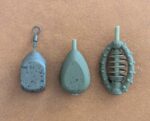
Carp fishing weights, often referred to as leads, are a key part of any setup. They determine how your rig sits on the bottom, how your bait is presented, and how effectively the hook sets when a carp takes your bait.
For anglers building a beginner carp fishing setup, a few simple and proven options will cover most situations wherever you decide to fish.
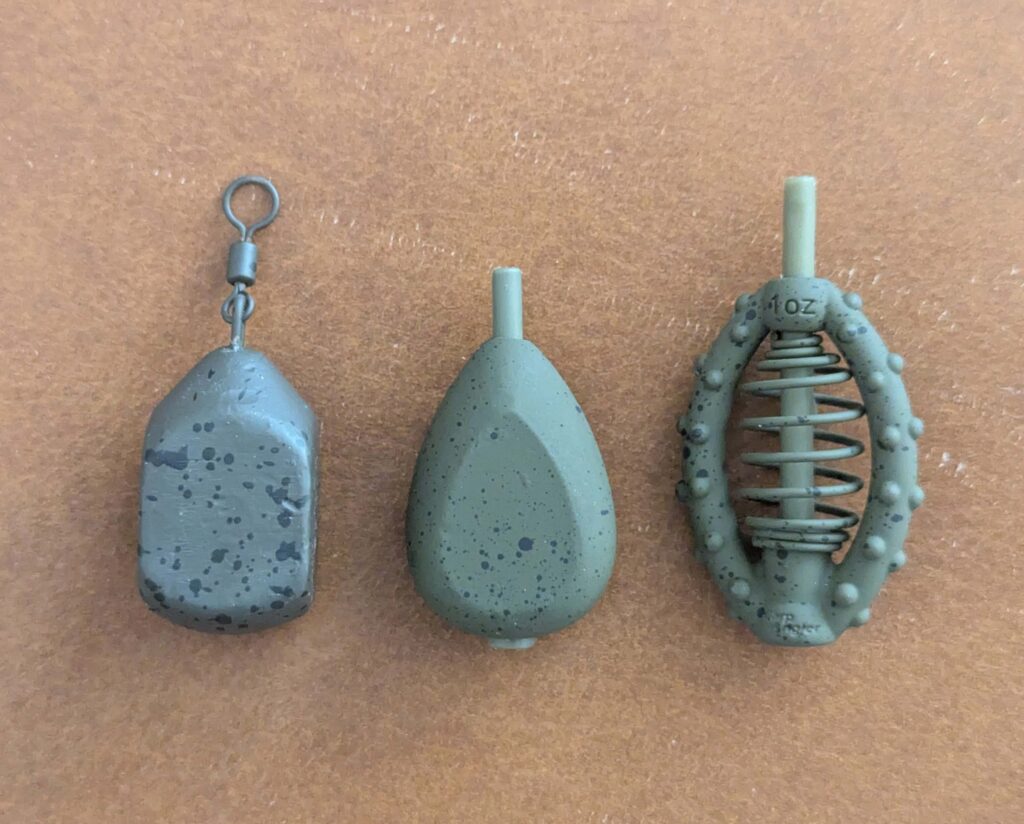
This guide explains the most common carp fishing weights and lead systems, when to use them, and how to keep your setup simple and effective.
Why Lead Systems Matter
The lead is more than just weight. It plays a direct role in how your rig performs and how effectively a carp is hooked.
A properly chosen lead helps:
- hold your rig in place
- position your bait effectively
- create resistance that helps set the hook
One of the most important roles of the lead is helping the hook take hold when a carp picks up the bait.
In many carp fishing rigs and setups, including variations of bolt rigs, the weight of the lead creates resistance when the fish moves away with the bait. This resistance causes the hook to turn and catch in the carp’s mouth, often before the angler even reacts.
This is why heavier leads are often more effective in certain situations. A heavier lead creates more resistance, which improves the chances of the hook setting properly. This is often referred to as the bolt effect and there are specific bolt rigs designed to capitalize on this.
Hook shape and rig design also play a role, but the lead is what allows the system to work consistently. Without enough resistance, the hook may not take hold as effectively, leading to missed bites. Line choice and stretch also play a role here.
This is one of the reasons why simple setups like the method feeder setup and inline leads work so well. They naturally create the resistance needed for reliable hook-ups while keeping the overall setup simple.
Understanding this relationship between lead weight, resistance, and hook movement is a key part of improving your success in landing fish.
Method Feeder Weights (Most Effective All-Around Option)
Method feeders are one of the most widely used systems in carp fishing.
They combine weight and bait into one setup. Groundbait is packed around the feeder, with the hookbait positioned nearby. When it lands, it creates a concentrated feeding area that attracts carp and keeps them feeding in one spot.
This is one of the most consistent and easy carp fishing techniques, especially when fishing lakes or slower-moving water. Method feeders are my primary go-to for weights because it combines two critical functions into one product, food to attract the carp and weight to assist in casting and hooking fish.
A simple inline method feeder is all you need to get started. Basic models are easy to use, widely available, and work well with short hooklink setups.
Inline Leads (Simple and Reliable)
Inline leads are one of the simplest carp fishing weight systems.
The line passes directly through the center of the lead, creating a straight and compact setup. This provides a direct connection between the fish and the rod, which helps improve hook-setting efficiency.
Inline leads are effective because they are easy to use and work well across a wide range of conditions. They are especially useful for anglers who want a simple and dependable setup without adding extra components.
For many situations, inline leads offer a clean and practical alternative to method feeders while still fitting into a minimalist approach.
Lead Clip Systems (More Versatile Setup)
Lead clip systems are a more versatile option used in many carp fishing setups.
This system uses a clip to hold a swivel lead in place while allowing it to release under pressure. This becomes useful when fishing around weeds, rocks, or other obstacles where a fixed lead could cause problems.
Lead clip systems provide flexibility and can be adjusted based on conditions. A key benefit of a lead clip system is the ability to easily change lead sizes based on conditions. While they are slightly more complex than inline setups, they are widely used and become valuable as you gain experience.
For beginner carp fishing, they are not required, but they are a useful option to understand as part of a complete setup.
Choosing the Right Weight Size
Weight size depends on where and how you are fishing.
For most situations:
- 1–2 oz works well in lakes and calm conditions
- 2–3 oz is a reliable all-around range
- 3 oz or more is useful in rivers or stronger current
Heavier weights help keep your rig in place, especially when fishing moving water or windy conditions. Lighter weights can improve presentation when conditions are calm.
For anglers fishing lakes and rivers across the US, staying in the 2–3 oz range will cover most situations. Always remember that your weight choice is limited by your rod and its test curve. Not all rods can handle heavy weights. This is especially important for method feeders where you have added weight from your pack bait.
Lead Safety and Carp Welfare
Carp fishing setups should always be designed with fish safety in mind. One of the most important considerations is ensuring that a carp can free itself from the lead if your line breaks.
If a fish is left trailing a heavy lead, it can become snagged or unable to feed properly. Modern carp fishing systems are designed to reduce this risk when used correctly.
Lead clip systems are commonly used for this reason. When set up properly, the lead can release from the clip under pressure, allowing the fish to swim away without being tethered to the weight.
Inline systems can also be safe, but only if they are assembled in a way that allows the lead to slide off or detach if the main line breaks.
Safe Setup Practices
A few simple habits go a long way in improving carp safety:
- use lead systems that allow the lead to release under pressure
- make sure inline leads can slide freely off the line
- avoid blocking or jamming components that prevent release
- check your setup regularly for tangles or damage
These small details help ensure that your setup is both effective and responsible.
What to Avoid
Some common mistakes can make a rig unsafe:
- fixing leads in place so they cannot detach
- using setups where the lead cannot slide off the line
- over-tightening lead clips so they do not release
- using damaged or poorly assembled components
Avoiding these issues is just as important as choosing the right rig.
Keeping It Simple
One of the biggest mistakes anglers make is overcomplicating lead systems.
In most cases, you can fish effectively using just:
- method feeders
- inline leads
These two options alone cover the majority of carp fishing situations and fit naturally into a simple, effective approach.
More advanced systems like lead clips can be added later, but they are not required to catch carp consistently.
Putting It All Together
Lead systems are just one part of the overall setup. They need to work together with your rod, reel, line, and rig.
Simple combinations like the hair rig paired with a method feeder or inline lead are effective across a wide range of conditions.
All of these elements come together in a complete system, which I break down further in my guide to a carp bank fishing setup.
Final Thoughts
Carp fishing weights do not need to be complicated to be effective.
Method feeders, inline leads, and simple lead clip systems will cover most situations you encounter. By focusing on a few reliable options, you can build a setup that is both simple and highly effective.
For anglers focused on carp fishing in the US, where conditions can vary widely, keeping your lead system simple and adaptable will lead to more consistent results.
This article contains affiliate links, for more information please see my Privacy Policy.